

I Analyzed 100 Substack About Pages. Here's the Hidden Pattern That Drives Subscriptions
The complete playbook for turning browsers into subscribers (with real examples)

New: Substack Audit now available - detailed review of your strategy with actionable next steps. Limited spots available.
Sixteen months ago, I started my Substack. Since then, I've sent out dozens of posts, built relationships with readers I never would have met otherwise, and turned this platform into a real part of my business.
But there's one page that almost nobody talks about — even though it might be the most underrated piece of real estate on your Substack.
👉 The About page.
Here's why it matters: Every new reader who's even slightly curious about you will click there first. They'll skim your homepage, maybe glance at a post, and then head straight to the About. It's the place where they decide:
"Is this newsletter for me?" "Do I like this person enough to subscribe?" "Do I trust them enough to pay?"
And yet, most writers treat the About like an afterthought. A few generic lines, a recycled LinkedIn bio, maybe a link or two — and done.
The result? Missed subscribers. Missed upgrades. Missed revenue.
Because the About page isn't just a formality. It's a silent salesman working 24/7.
After studying 100 About pages across different niches and subscriber counts, I discovered the exact patterns that convert browsers into subscribers, and subscribers into paying customers.
Here's everything that works (and what to avoid at all costs).
The Psychology Behind High-Converting About Pages
Before diving into tactics, you need to understand what's happening in a reader's mind when they land on your About page.
They're asking three questions in this order:
"Who is this person?" (Credibility check)
"What will I get from this newsletter?" (Value assessment)
"Do I belong here?" (Community fit)
The highest-converting About pages answer all three within the first 200 words. They don't make readers scroll endlessly or piece together clues from scattered information.
The 60-Second Rule: Most readers spend less than 60 seconds on your About page. If they can't quickly understand who you are, what you offer, and why it matters to them, they're gone. (This is actually the #1 issue I see when I review creators' Substack pages — great content buried under unclear messaging. If you need my personal audit, apply here.)
This means every element — from your opening line to your closing call-to-action — needs to work harder.
The Three-Layer Framework That Always Works
Here's the first thing I learned after studying the About pages: there isn't one "right" formula. But the strongest pages always include these three layers, with one clear priority:
Layer 1: About You Who are you, and why should someone trust you? This isn't about job titles. It's about your story, your perspective, and the human details that make people feel connected to you.
Layer 2: About the Publication What's this newsletter actually about? What kinds of posts can a new subscriber expect? If they join, what will show up in their inbox week after week?
Layer 3: About the Reader/Community Why should they feel at home here? What problem or need do you understand that makes this space relevant for them? The best About pages give readers that "I belong here" feeling.
Before you write a single word, decide which layer will be your main focus. Otherwise, you risk ending up with a generic page that doesn't really do anything.
How to Start Strong: The Opening That Hooks
The Problem: Most About pages start the same way: "Hi, I'm [Name]. I'm a [job title, job title, job title]."
It's safe. It works. But after reading 100 of these pages, I can tell you it's also forgettable.
The Solution: Pull readers in immediately with one of these proven openers:
Option 1: The Bold Statement
"Too much productivity advice makes you less productive." "Most business advice is terrible for introverts." "Your marketing doesn't need to be louder. It needs to be truer."
Option 2: The Origin Moment
"Three years ago, I was burned out, overwhelmed, and ready to quit freelancing entirely. Then I discovered..." "The day I realized I was giving my clients better advice than I was following myself..."
Option 3: The Problem You Solve
"Tired of productivity systems that only work for morning people? You're in the right place." "If you're building a business while working full-time, you know the struggle..."
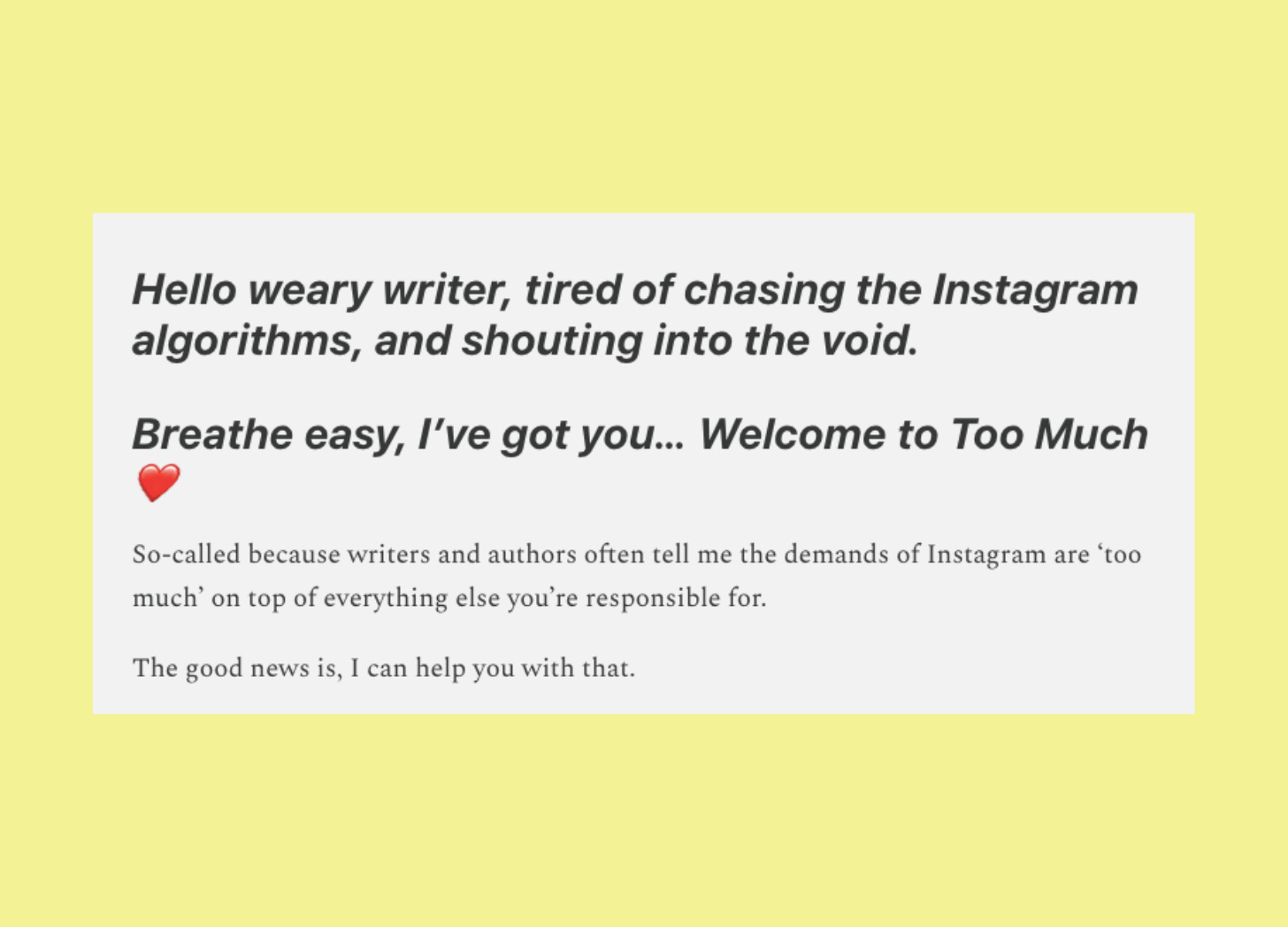
Option 4: The Community Welcome
"Welcome to the corner of the internet where ambitious introverts gather to..." "This is for the creators who are tired of..."
The Test: If a stranger only read the first two lines of your About page, would they want to keep scrolling? If not, rewrite your opener.
👇 The rest of this guide is for paid subscribers only
What you'll get in the complete guide:
Copy-paste frameworks for 3 different About page styles (story-driven, problem-solution, community-first)
Advanced conversion psychology strategies that separate good from great
A 20-point audit checklist to evaluate your current About page
Specific examples of what works (and what kills conversions)
The exact elements that build trust and drive upgrades